
q36 - Unveiling the Complex World of Jueteng: An In-depth Exploration
Jueteng, a clandestine numbers game rooted deeply in the cultural and socio-economic landscape of the Philippines, has withstood countless legal challenges and reforms. As an intriguing juxtaposition of legality and tradition, it continues to influence local economies and politics.
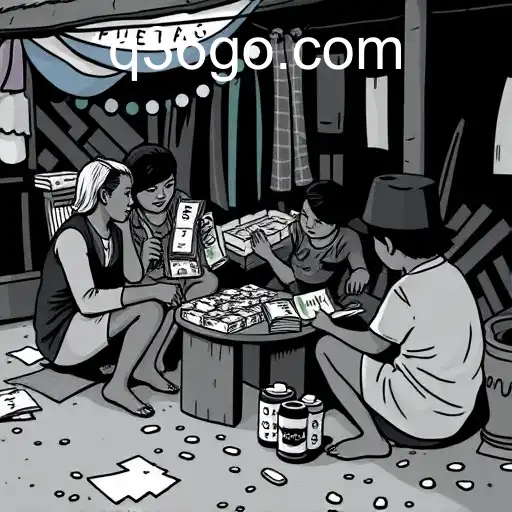
Understanding Jueteng: A Socio-economic Phenomenon
The traditional numbers game known as jueteng has been a subject of widespread debate and scrutiny in the Philippines. This underground betting game, deeply entrenched in Filipino culture, operates in a somewhat paradoxical space, balancing on the brink of legality while remaining widely practiced throughout the country. Originating from Spanish colonial rule, its resilience amidst modern legal frameworks speaks volumes about its cultural significance as well as the socio-economic conditions it thrives within.
Historical Roots of Jueteng
Jueteng first made its appearance in the Philippines during the Spanish colonial period. Its name is derived from the Chinese characters 'hue' and 'teng,' meaning flower and bet, respectively. Originally introduced by Chinese immigrants, jueteng quickly assimilated into local culture, becoming a steady fixture in the community entertainment scene.
Over the centuries, jueteng evolved from a leisure activity into an organized system backed by influential local networks. Despite numerous government efforts to curb its spread, jueteng adapted, finding ways to maintain its presence in communities across the Philippines.
Jueteng's Influence in Local Economies
The game’s simplicity and accessibility have played significant roles in its persistent popularity. Often, the draw towards jueteng lies in the hope of transforming a small bet into a substantial cash reward, an allure that resonates in economically challenged areas.
With little initial investment required, jueteng offers opportunities for many Filipinos to supplement their income. For operators and collectors, known locally as 'kubrador,' the game provides a steady stream of work. This underground economy supports an extensive network, from bet collectors to coordinators and financiers, contributing to local economies albeit in informal ways.
The Socio-economic Impact
The socio-economic ramifications of jueteng are twofold. On one hand, it injects money into local economies, providing jobs and additional cash flow. On the other hand, these economic benefits come at a cost; jueteng siphons money away from lawful avenues and can potentially exploit the socio-economic vulnerabilities of low-income bettors.
The game’s embeddedness within communities makes it difficult to eradicate. Attempts to ban jueteng often face resistance not only from those directly involved but also from larger communities who rely on its associated economic benefits.
Political Dimensions of Jueteng
Jueteng is more than just an economic phenomenon; it is a political one as well. Historically, the proceeds from jueteng have been rumored to fund political campaigns and influence local governmental decisions. The blurred lines between politics and jueteng have led to accusations of corruption and complicity among public officials.
Numerous political figures have faced scandals involving jueteng. These controversies highlight the game’s entrenchment in the socio-political fabric of the nation. Despite public outcry and legislative initiatives aimed at curbing its influence, attempts to disentangle jueteng from politics have met with limited success.
Legislation and Regulation Efforts
The Philippine government has made various attempts to regulate or outlaw jueteng. The controversies surrounding its existence have led to numerous efforts such as the establishment of the Philippine Charity Sweepstakes Office (PCSO) and the introduction of alternative legal betting platforms, like the Small Town Lottery (STL), designed to offer legitimate outlets for similar forms of gambling.
However, these efforts often encounter implementation challenges and face resistance from entrenched interests benefiting from the continued existence of jueteng. As a result, the game remains a vibrant part of the national landscape, highlighting the complex relationship between law enforcement, legal structures, and cultural practices.
The Cultural Significance of Jueteng
Beyond its economic and political implications, jueteng has an undeniable cultural dimension. For many Filipinos, jueteng is laden with tradition and community identity. Its persistence speaks to how deeply woven it is into the daily lives of many citizens.
Jueteng symbolizes a range of privileges and disadvantages, reflecting broader truths about societal values and norms. Engrained in cultural practices, its existence poses the question of whether its eradication is truly desirable or merely a superficial solution to deeper socio-economic issues.
Efforts to eliminate or legitimize jueteng must reckon with its cultural significance and consider approaches that address the root socio-economic causes of its prevalence.
The Future of Jueteng: Prospects and Challenges
The future of jueteng is uncertain, caught between competing interests and a milieu of social, economic, and political considerations. Moving forward, any attempts at resolving issues surrounding jueteng should focus on sustainable economic development and inclusive policy environments.
Engaging communities in conversations about their socio-economic needs and exploring mutually beneficial alternatives to jueteng can lead to more harmonious and effective solutions. Rather than outright bans or superficial reforms, comprehensive strategies that consider economic empowerment, education, and transparent governance hold promise for addressing the complex juncture at which jueteng stands.
Ultimately, jueteng remains a poignant example of the intersections between culture, economy, and politics in the Philippines. Its persistence prompts us to delve deeper into not only its mechanisms but also the broader societal canvas it reflects.








GOLD VIP
Minimum deposit: ₱1,500
- ✅ 150% bonus on all deposits
- ✅ Priority withdrawal in 1 minute
- ✅ 10% cashback weekly
- ✅ VIP support 24/7
- ✅ Higher betting limits
PLATINUM VIP
Minimum deposit: ₱6,000
- ✅ 200% bonus + all Gold benefits
- ✅ Instant withdrawal 24/7
- ✅ 15% cashback weekly
- ✅ Exclusive VIP table in casino
- ✅ Special event invitations
DIAMOND VIP
Minimum deposit: ₱30,000
- ✅ 300% bonus + all previous benefits
- ✅ Dedicated personal manager
- ✅ 20% cashback weekly
- ✅ Unlimited withdrawal limits
- ✅ Exclusive trips and gifts
🚀 Register NOW and Get ₱15,000 Bonus!
⏰ LIMITED TIME OFFER! Join over 1.2 million players who have already discovered why q36 is the #1 betting platform in the Philippines. Registration in 30 seconds, first withdrawal in 2 minutes!
💬 What our players say
"Best platform I've ever used! GCash withdrawal in 2 minutes, amazing support!"
- Carlos M., Manila ⭐⭐⭐⭐⭐
"Won ₱45,000 on Gates of Olympus! They paid everything correctly via GCash."
- Ana L., Cebu ⭐⭐⭐⭐⭐
"VIP system is amazing! I have a personal manager and cashback every week."
- Roberto S., Davao ⭐⭐⭐⭐⭐
PAGCOR License
SSL 256-bit
eCOGRA
BSP Approved